
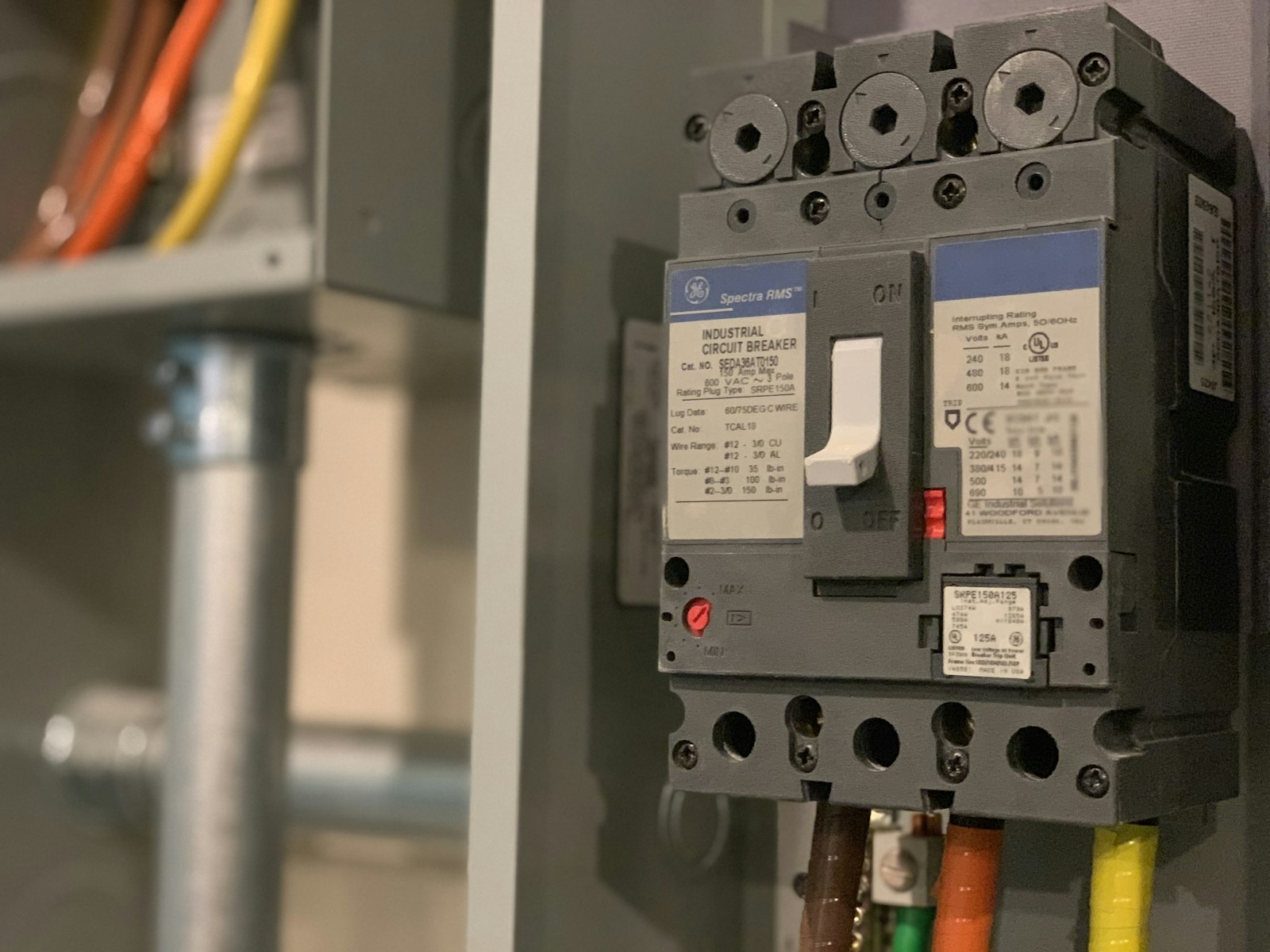
When temperatures rise, electricity demand climbs with them. Air conditioners, fans, refrigerators and water pumps all work harder, and older installations that cope well for most of the year can start to struggle. A little preparation before the peak season prevents tripping breakers, damaged appliances and overheating cables.
Why air conditioners stress your wiring
An air conditioner draws a large current, especially at start-up. Running several units at once — alongside a water pump, refrigerator and kitchen appliances — can push circuits and the main supply close to their limits. If the wiring was not planned for this load, connections heat up and protective devices trip.
Step 1: Give each air conditioner a dedicated circuit
Plugging an AC unit into a general socket circuit is one of the most common causes of overheating and nuisance tripping. A dedicated cable and correctly rated breaker for each unit keeps the load separate and protected. See how we handle AC power circuits.
Step 2: Check the distribution board
- Look for discolouration, a hot smell or buzzing near breakers.
- Make sure every circuit is labelled so you can isolate quickly.
- Confirm RCD protection is present and working.
- Have terminations checked for tightness — heat cycles loosen connections over time.
Step 3: Review your total load
Add up the major appliances that run at the same time. If the total approaches the capacity of your supply or main breaker, consider staggering use, upgrading circuits or discussing supply capacity with an electrician. A clamp-meter load test during a safety inspection shows exactly how much current your installation draws in real use.
Step 4: Prepare backup power properly
Inverters, IPS units and generators need correct changeover arrangements so backup power never feeds back into the supply line and essential circuits are clearly separated. Poorly wired backup systems are a frequent cause of damaged appliances and safety hazards.
Step 5: Protect against surges
Peak-season storms and frequent supply switching increase the risk of voltage spikes. A board-mounted surge protection device adds a layer of defence — read our guide to surge protection.
Seasonal checklist
- Service air conditioners and clean filters to reduce current draw.
- Check AC plugs, sockets and isolators for warmth or discolouration.
- Test RCDs using the test button.
- Avoid extension boards for high-power appliances.
- Book an electrician if breakers trip more often than usual.
Plan ahead, stay cool
The best time to upgrade circuits is before the hottest weeks arrive and electricians are busiest. A short assessment now can prevent a breakdown on the hottest day of the year.
Getting ready for the heat? Book a pre-season electrical check with Elite Wire Tech.