
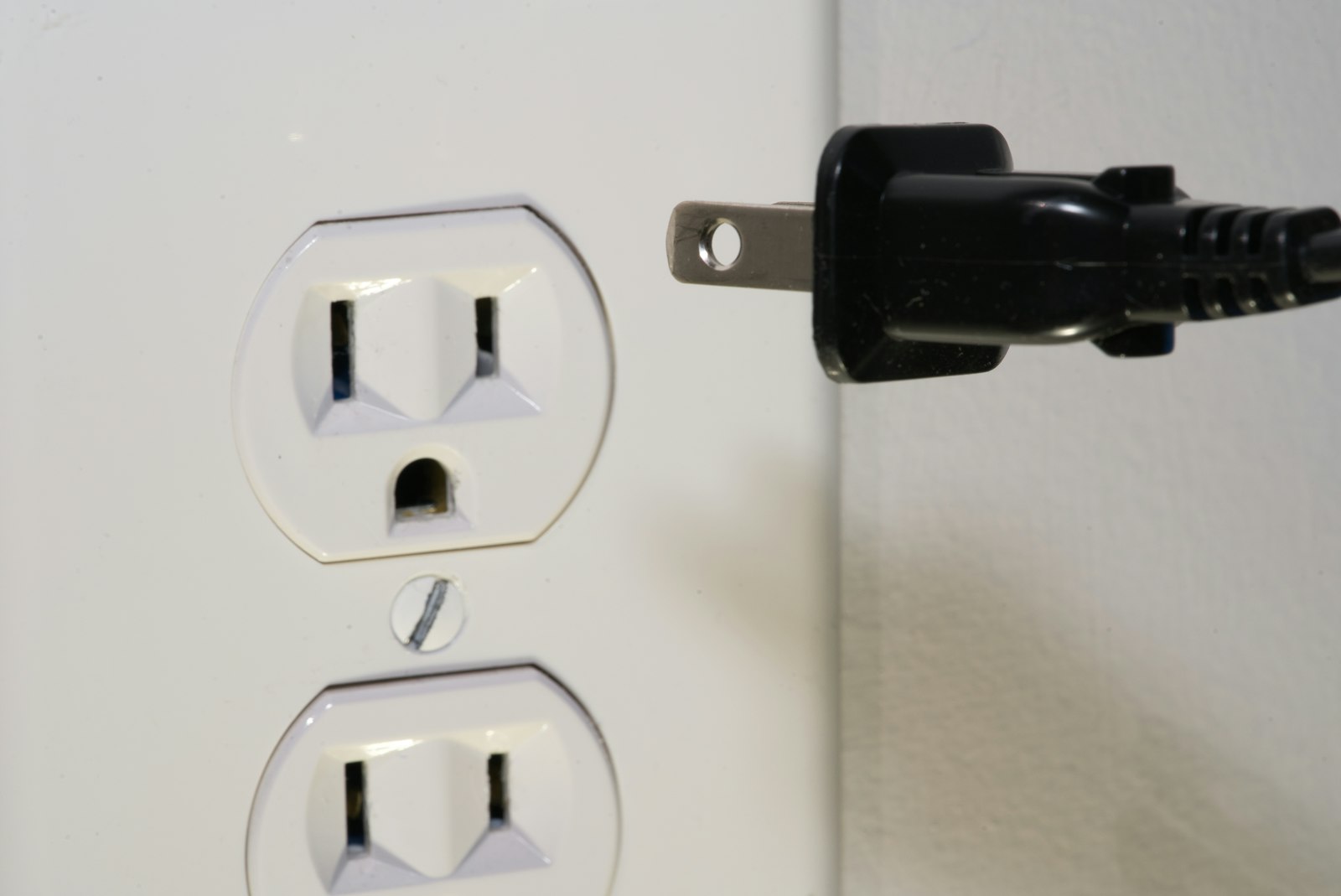
Electricity powers almost everything in a modern home, which makes it easy to forget how much respect it deserves. Most household electrical accidents are preventable with a few good habits and regular checks. Use this checklist to walk through your home room by room.
Sockets and switches
- Check faceplates for cracks, scorch marks or looseness.
- Make sure plugs fit firmly; loose plugs can overheat.
- Fit socket covers or use shuttered sockets where young children can reach.
- Avoid plugging high-power appliances into multi-way adaptors.
Cords and extension leads
- Replace cords with cracked insulation, exposed wires or damaged plugs.
- Never run cables under rugs or carpets, where damage goes unnoticed and heat cannot escape.
- Uncoil cable reels fully when using heavy loads.
- Do not chain extension boards together.
Appliances
- Unplug small appliances such as irons and hair straighteners after use.
- Keep ventilation gaps clear around refrigerators, televisions and computers.
- Stop using any appliance that gives a tingle, sparks or smells hot.
- Use appliances according to the manufacturer’s instructions and ratings.
Kitchens, bathrooms and outdoor areas
- Keep water and wet hands away from sockets and switches.
- Make sure outdoor outlets are weatherproof and protected by an RCD.
- Use only fittings rated for damp locations in bathrooms.
- Have water heaters connected to a properly rated, dedicated circuit.
The distribution board
- Know where your board is and how to switch off the main supply.
- Keep the area around it clear and dry.
- Check that circuits are clearly labelled.
- Test RCDs with the test button periodically, as recommended by the manufacturer.
Teaching children about electricity
Explain simple rules in age-appropriate terms: never poke objects into sockets, never pull plugs out by the cord, keep drinks away from devices and tell an adult if something sparks or smells strange. Children learn quickly when rules are explained rather than simply enforced.
What to do in an electrical emergency
- If someone receives a shock, do not touch them directly. Switch off the power at the board first.
- Call emergency services for injuries or fire.
- Never use water on an electrical fire; use a suitable extinguisher if trained to do so.
- Have the installation checked by an electrician before switching back on.
Book a professional check
A household checklist catches visible hazards, but not hidden ones such as deteriorated insulation or poor earthing. A periodic electrical safety inspection tests what you cannot see. If you have already spotted warning signs, read our guide to wiring warning signs.
Want peace of mind? Book an inspection with Elite Wire Tech.